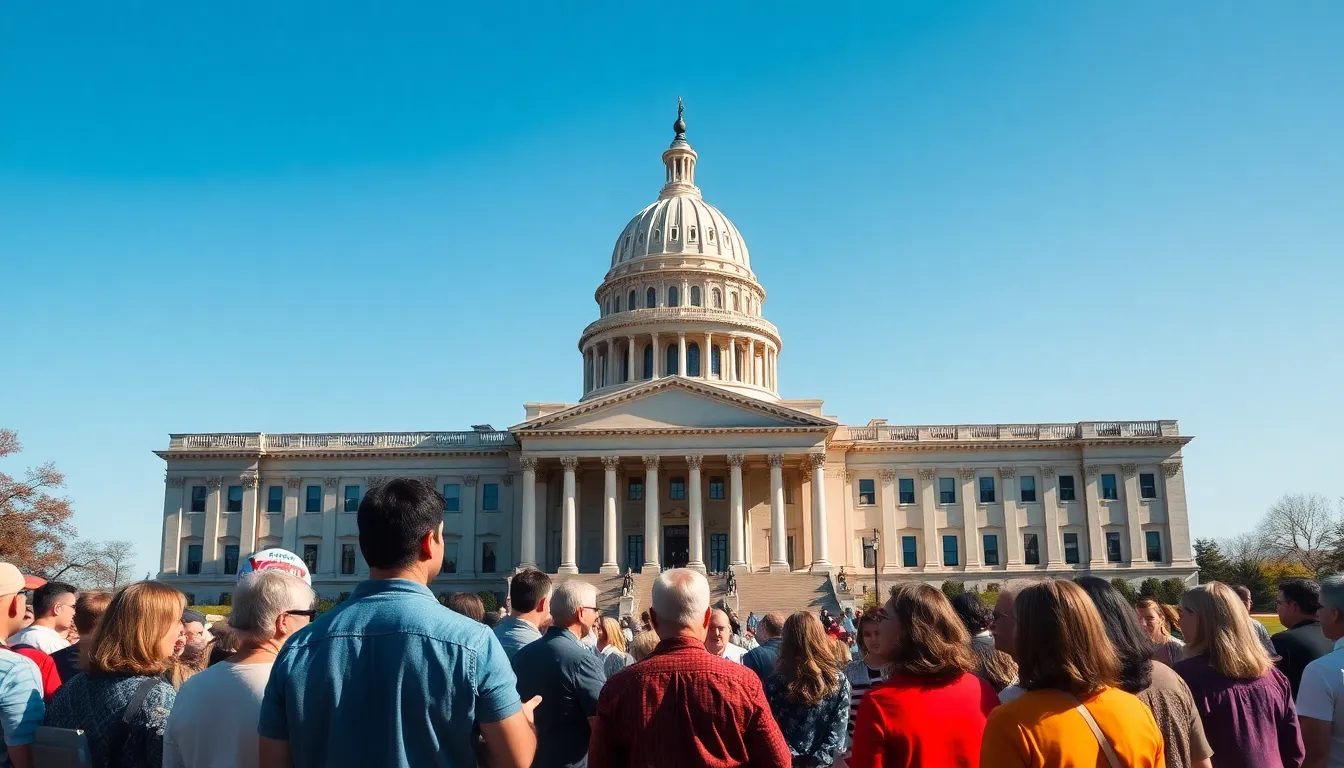
California’s political landscape is as vibrant as its sunsets and just as unpredictable. With the Golden State’s next governor election on the horizon, residents are gearing up for a showdown that could rival a blockbuster movie. Who will take center stage? Will it be a familiar face or a fresh contender ready to shake things up?
Overview of California Governor Elections
California holds its governor elections every four years. The next election is scheduled for November 8, 2022. This election features an open primary system where all candidates appear on a single ballot. Voters select their preferred candidates, and the top two advance to the general election.
Candidates usually include both Republicans and Democrats, with independents also taking part. Notable past governors include Jerry Brown and Arnold Schwarzenegger. The political landscape often changes, with candidates emerging from various backgrounds, including state senators, business leaders, and activists.
Campaigns typically focus on pressing issues like housing affordability, climate change, and public safety. Historically, voter turnout in California’s gubernatorial elections varies. In the 2018 election, for instance, around 60% of registered voters participated.
Debates and public forums play a crucial role in shaping public opinion. Candidates engage in discussions to showcase their platforms and respond to opponent criticisms. Media coverage also significantly influences election dynamics, affecting candidate visibility and voter perceptions.
Polling data provides insights into candidate popularity. As elections approach, surveys gauge voter preferences and highlight key issues. For example, recent polls indicate that economic concerns dominate voter priorities.
Engagement with constituents occurs through rallies, social media, and town hall meetings. Candidates emphasize connecting with voters on critical issues. As the election draws near, anticipation builds over potential challengers and established candidates.
History of California Governor Elections
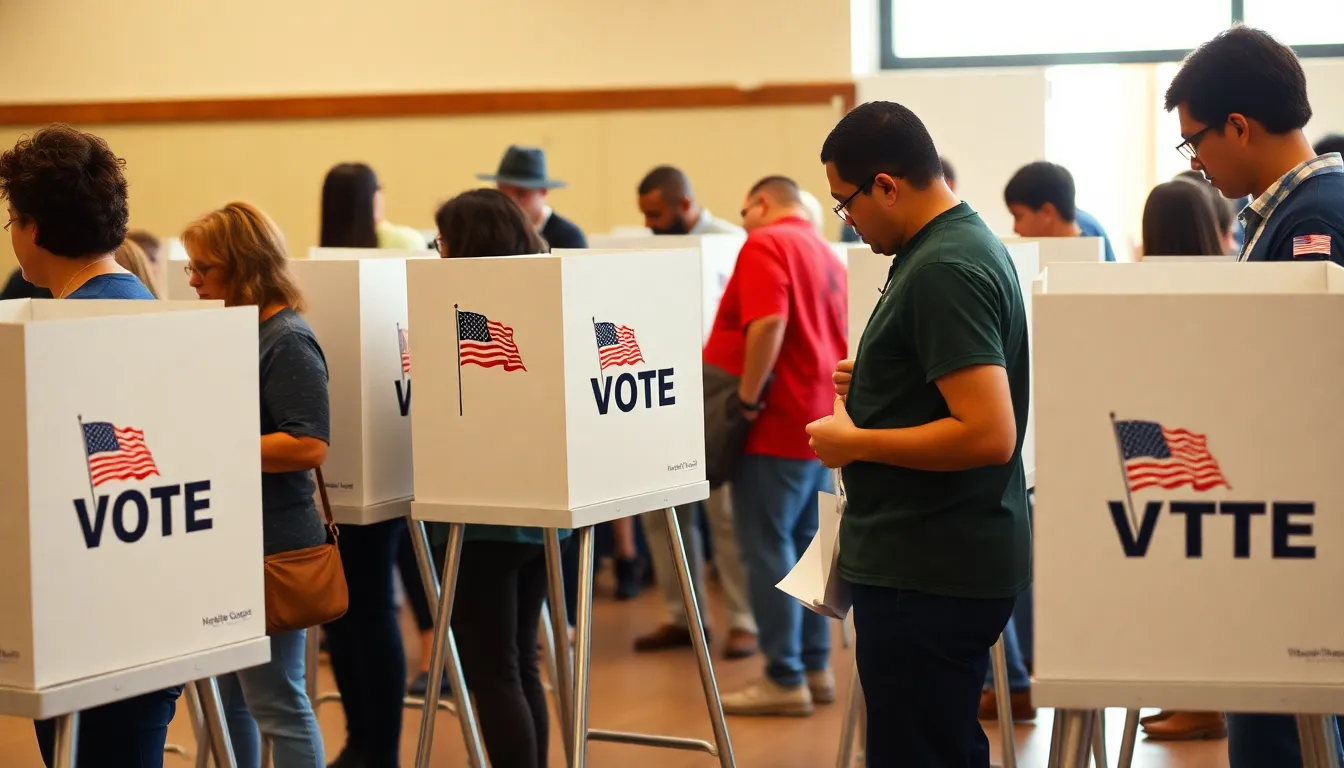
California’s governor elections reflect the state’s complex political history and diverse electorate. Significant shifts in political ideologies and voter interests shape these elections across decades.
Significant Past Elections
The 2003 recall election of Governor Gray Davis remains a pivotal moment in California politics. Voters removed Davis from office and elected Arnold Schwarzenegger, illustrating how public sentiment can drive dramatic electoral change. In 2010, Jerry Brown’s return to governorship marked another noteworthy election, emphasizing the importance of experience in Californian politics. More recently, the 2021 recall election attempted to remove Governor Gavin Newsom, which highlighted the polarized atmosphere within the state. These elections underscore the unpredictable nature of California’s political landscape, influencing future candidates and their campaign strategies.
Trends in Voter Turnout
Voter turnout in California governor elections exhibits notable fluctuations. For instance, the 2018 election saw approximately 49% of registered voters participate, a significant jump compared to earlier years. Factors such as social movements and major issues, including housing and healthcare, often drive voter engagement. Historically, gubernatorial elections experience higher participation rates during contentious political climates. Moreover, younger voters increasingly play a crucial role, reflecting changing demographics and priorities. Tracking these trends assists in predicting and shaping future election strategies in California.
When Is the Next California Governor Election?
The next governor election in California takes place on November 5, 2026. That date marks a significant opportunity for voters to influence the state’s leadership and direction.
Election Date and Timeline
Elections in California occur every four years. The timeline for the upcoming election includes various phases that shape candidate selection. A primary election takes place first, enabling candidates from all parties to compete on a single ballot. This open primary facilitates a broader choice for voters, where the top two candidates advance to the general election regardless of party affiliation.
Key Dates to Remember
Important dates surrounding the election are crucial for voters. Candidate filing opens on February 21, 2026, and closes on March 16, 2026. Voter registration deadlines contribute significantly as well, with registration closing 15 days before the election. Early voting typically begins 29 days prior to Election Day, enabling more accessible participation. Final results usually get announced within a few weeks after the elections, reflecting the dynamic electoral landscape in California.
Candidates and Political Landscape
California’s political landscape evolves continually, influenced by major parties and emerging candidates.
Major Political Parties
Democrats dominate California politics, controlling the governor’s office and the majority in the state legislature. This party’s policies typically emphasize social justice, healthcare reform, and environmental sustainability. Republican candidates, though less prevalent, focus on tax cuts, business growth, and public safety issues. Independents also play a role, as they often appeal to voters seeking alternatives to the two main parties. Election cycles reveal the fluctuating power dynamics, as each party adapts to shifting voter concerns, particularly on issues like housing and climate change.
Potential Candidates to Watch
Several candidates are emerging ahead of the 2026 election. Governor Gavin Newsom remains a prominent figure with established popularity and recognition. His administration’s handling of key issues may prompt discussions about a potential re-election bid. Other notable figures include Democratic state lawmakers who might appeal to progressive voters. Republican challengers may include well-known local officials who can draw from their leadership experience. Political analysts point out that independent candidates may emerge as wild cards, potentially reshaping voter preferences. Anticipation surrounds their campaign strategies as election day approaches.
Impact of Election on State Policies
California’s upcoming governor election significantly influences state policies. The elected governor shapes legislation on pressing issues that affect residents’ daily lives.
Key Issues at Stake
Housing affordability remains a top concern among voters. Climate change policies are pivotal as California faces increasing environmental challenges. Public safety strategies draw attention, particularly in light of recent crime trends. Education reform sparks debate, reflecting a desire for improved systems in schools across the state. Healthcare accessibility also demands focus, as many Californians seek better options. Candidates’ positions on these key issues may sway voter preferences leading up to the November 2026 election.
Voter Sentiment and Polling
Voter sentiment reflects a mix of priorities across the state. Recent polling indicates that economic concerns rank highest among Californians. Significant percentages of respondents express worries about job stability and inflation. Data from surveys also shows a growing interest in social justice issues. Younger voters, more engaged than ever, push for reform on climate action and equity. Candidates aligning their messages with these sentiments may gain traction in the lead-up to the election.
The upcoming California governor election on November 5, 2026, promises to be a pivotal moment in the state’s political landscape. With a diverse range of candidates and pressing issues at stake, voter engagement will be crucial. As the election date approaches, candidates will need to resonate with constituents’ concerns, particularly around economic stability and social justice.
The open primary system adds an intriguing layer to the race, allowing for unexpected outcomes. As Californians prepare to cast their votes, the evolving dynamics of this election will undoubtedly shape the future of the state. Keeping an eye on candidate strategies and voter sentiment will be essential in understanding the direction California will take.