
When it comes to sharing a holiday feast, the question on every dog owner’s mind is: is turkey safe for their furry friends? After all, who can resist those pleading puppy eyes while carving the Thanksgiving bird? Turkey might seem like the ultimate treat for dogs, but before tossing them a juicy morsel, it’s important to know the facts.
Packed with protein and low in fat, turkey can be a healthy addition to a dog’s diet. However, not all turkey is created equal. From seasoning to skin, there are some hidden dangers that could turn a festive meal into a canine catastrophe. So, let’s dig into the details and find out if turkey is indeed a tail-wagging delight or a potential pooch predicament.
Understanding Canine Nutrition
Canine nutrition plays a crucial role in a dog’s overall health and well-being. Understanding the dietary needs of dogs ensures they receive proper nutrients to thrive. Proteins, fats, carbohydrates, vitamins, and minerals constitute the essential components of a balanced diet.
Turkey offers a rich source of protein, which is vital for muscle development and energy. Lean meat from turkey contains amino acids that dogs require for optimal functioning. Treating dogs to plain, cooked turkey can provide not only protein but also healthy fats in moderation.
Fats are necessary for maintaining energy levels and supporting cell structure. Omega-3 and Omega-6 fatty acids, found in some turkey preparations, contribute positively to a dog’s skin and coat health. However, excess fat intake can lead to obesity or pancreatitis, making portion control important.
Vitamins and minerals also play a critical role in a dog’s diet. Turkey alone does not contain all vitamins and minerals needed. A varied diet with vegetables and grains complements the nutritional profile, ensuring dogs receive a balanced array of nutrients.
Raw versus cooked turkey poses important considerations. Cooking turkey eliminates harmful bacteria that can cause gastrointestinal issues. Therefore, opting for thoroughly cooked turkey without bones, skin, or seasoning is the safest choice. Bones can splinter and pose choking hazards or blockages in the digestive tract.
Allergies to turkey can occur in some dogs. Observing any reactions after introducing turkey into a dog’s diet can help identify sensitivities. If any adverse effects arise, consulting a veterinarian is advisable.
Feeding turkey as an occasional treat can be a healthy addition to a dog’s diet. Monitoring feeding habits and ensuring a balanced diet can keep dogs healthy and happy.
Benefits of Turkey for Dogs
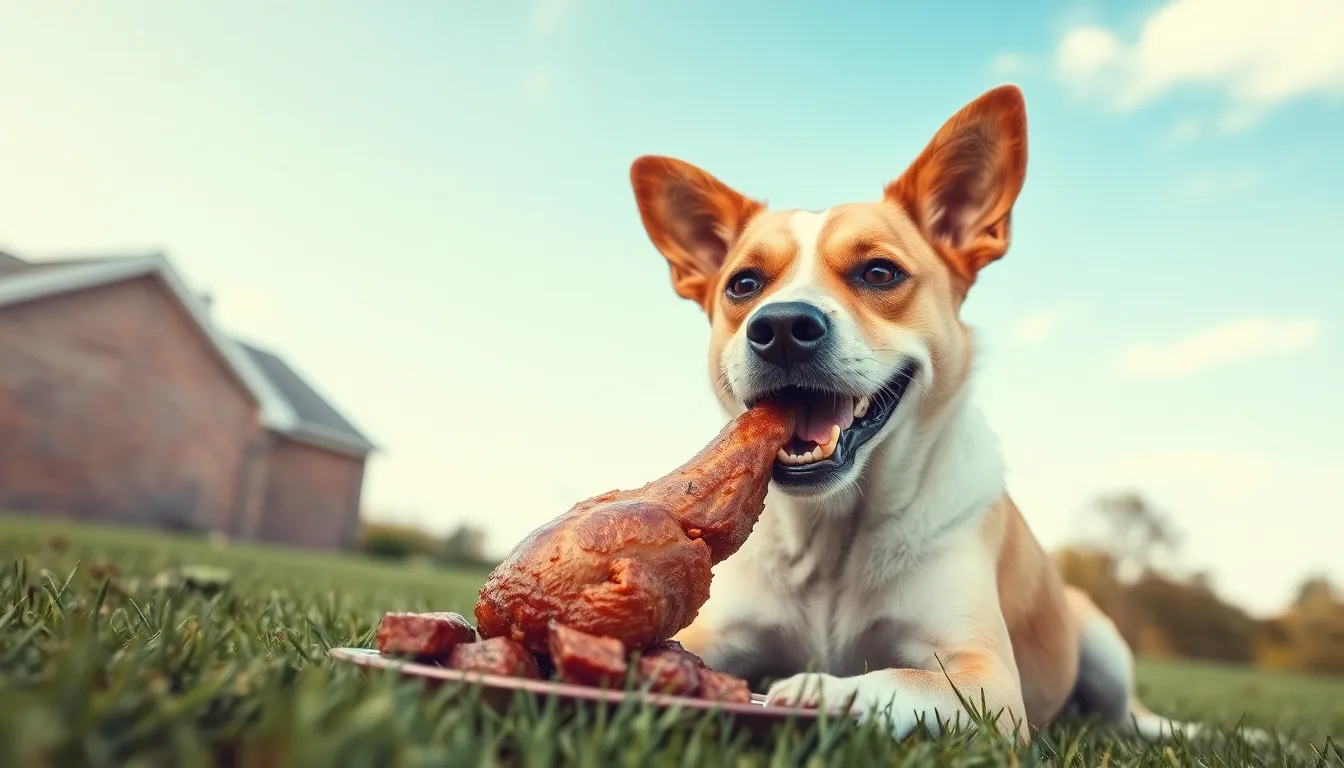
Turkey offers several benefits for dogs when prepared correctly. It serves as an excellent source of protein and is appealing to many pets due to its flavor.
Nutritional Value of Turkey
Turkey contains essential amino acids that support a dog’s muscle development and overall growth. This meat also provides B vitamins, particularly B6 and B12, which promote a healthy metabolism and nervous system. Additionally, turkey is low in fat, especially when skin is removed. Nutritional benefits extend to minerals such as phosphorus and selenium, aiding in bone health and immune function. Incorporating turkey in moderation enriches a dog’s diet with necessary nutrients.
Health Benefits
Feeding turkey can enhance a dog’s energy levels due to its high protein content. Strong muscles and healthy body function often result from regular inclusion of lean turkey in meals. This meat can also improve coat condition and skin health due to its healthy fats. Some pet owners find turkey helps manage allergies, particularly when rotating proteins. As a low-calorie option, turkey assists in maintaining a dog’s weight. Providing turkey as an occasional treat promotes diverse dietary options while ensuring balanced nutrition.
Potential Risks of Turkey for Dogs
Feeding turkey to dogs can pose risks that require careful consideration. Various factors need attention to ensure a safe experience.
Allergies and Sensitivities
Some dogs experience allergies to turkey, leading to symptoms like itching, digestive upset, or skin reactions. Detecting these allergies often requires observation of a dog’s behavior after introducing turkey to their diet. Mixed proteins may help in rotating foods, reducing allergy instances over time. Specific breeds might be predisposed to these sensitivities, thus monitoring is crucial. If any adverse reactions occur, it’s essential to consult a veterinarian promptly.
Preparation Hazards
Proper preparation of turkey is vital to avoid health hazards. Uncooked or undercooked turkey may harbor harmful bacteria such as Salmonella or E. coli, posing significant risks to canine health. Skin and bones are particularly dangerous; turkey skin is high in fat, which can lead to pancreatitis, while bones can splinter and obstruct or damage a dog’s digestive tract. Preparing lean, fully cooked turkey without seasoning minimizes these hazards. Always ensure any turkey offered to dogs is free from additives like garlic and onion, which are toxic to canines.
How to Safely Feed Turkey to Dogs
Feeding turkey to dogs requires careful attention to ensure safety and health. Understanding the proper serving sizes and cooking methods is essential.
Recommended Serving Sizes
For small dogs, a serving size of about 1 to 2 ounces suffices. Medium dogs benefit from 2 to 4 ounces, while larger breeds may enjoy 4 to 6 ounces. Portioning should consider the dog’s overall diet and activity level. Keep in mind that turkey should serve as an occasional treat rather than a main dish. When introducing turkey for the first time, start with a small amount and gradually increase the portion if no adverse reactions occur. Monitoring the dog’s response helps maintain a healthy balance.
Cooking Tips
Cooking turkey thoroughly is crucial to eliminate harmful bacteria. Bake or boil the turkey without seasoning, ensuring it reaches an internal temperature of 165°F. Removing the skin prevents excess fat intake, which can lead to digestive issues and other health concerns. After cooking, let the turkey cool before serving it to dogs. Cutting the meat into bite-sized pieces makes it easier for dogs to chew and prevents choking hazards. Avoid using bones, as they can splinter and cause choking or injury. Offering plain turkey enhances enjoyment and keeps the feeding process safe.
Feeding turkey to dogs can be a rewarding experience when done thoughtfully. It’s a protein-rich treat that many dogs enjoy and can contribute positively to their diet. However, caution is key to ensuring it remains a safe option.
By paying attention to preparation methods and serving sizes, pet owners can minimize risks associated with allergies and harmful bacteria. Understanding a dog’s specific dietary needs and monitoring for any adverse reactions will help maintain their health.
With proper care and moderation, turkey can be a delightful addition to a dog’s occasional meals, enhancing their overall nutrition and enjoyment.