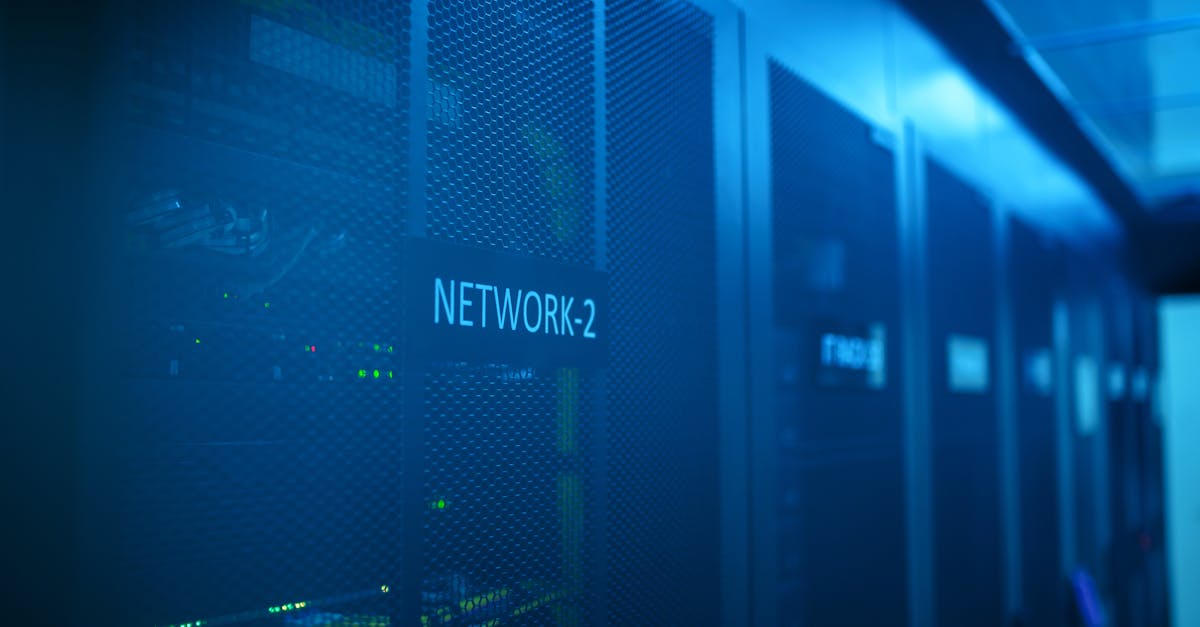
In the ever-evolving tech landscape, the terms “data center” and “cloud computing” often pop up like surprise guests at a party. While they both play crucial roles in data management, they’re not interchangeable. Think of a data center as a high-tech fortress full of servers, cables, and IT wizards, all working hard to keep your data safe and sound. Now, picture cloud computing as the friendly neighborhood superhero, swooping in to save the day with flexibility and scalability.
Understanding the difference between these two can feel like deciphering a secret language. But fear not! This guide will break it down, making it as easy as pie (or at least easier than explaining your Wi-Fi issues to your grandparents). Get ready to dive into the world of data storage and discover which option best fits your needs.
Table of Contents
ToggleOverview of Data Centers
Data centers serve as the backbone for storing and managing data. These facilities contain physical servers that enable organizations to secure, process, and manage large volumes of information effectively.
Definition of a Data Center
A data center is a physical location that houses servers, storage systems, and networking equipment. It typically supports IT operations essential for businesses, including data processing, storage management, and backup capabilities. Organizations rely on data centers for secure data handling, accessibility, and streamlined operations, ensuring their data remains protected and readily available.
Key Features of Data Centers
Data centers offer robust features that address enterprise needs. High levels of security protect sensitive information from unauthorized access. Redundant power supplies ensure uptime, while cooling systems maintain optimal operating temperatures for equipment. Additionally, scalable infrastructure allows businesses to expand their capacity as data requirements grow. Monitoring systems provide ongoing surveillance, ensuring efficiency and quick identification of issues.
Understanding Cloud Computing
Cloud computing represents a technology that provides on-demand access to computing resources over the Internet. This model eliminates the need for physical infrastructure and allows users to operate applications and store data without having to manage the underlying hardware.
Definition of Cloud Computing
Cloud computing refers to the delivery of computing services including storage, processing power, and software applications via the Internet. Users access these services from anywhere with an Internet connection, which enhances flexibility. It simplifies resource management, allowing businesses to scale as needed without heavy upfront investments in IT infrastructure.
Types of Cloud Services
Cloud services are categorized into three main types: Infrastructure as a Service (IaaS), Platform as a Service (PaaS), and Software as a Service (SaaS).
- IaaS offers virtualized computing resources over the Internet, allowing users to manage their infrastructure without physical hardware. Examples include Amazon Web Services and Microsoft Azure.
- PaaS provides a platform allowing developers to build, deploy, and manage applications without the complexity of maintaining the underlying infrastructure. Google App Engine exemplifies this service.
- SaaS delivers software applications over the Internet on a subscription basis, eliminating the need for installations on local devices. Common examples are Google Workspace and Salesforce.
Each type facilitates specific needs, providing organizations with tailored solutions for their computing challenges.
Key Differences Between Data Centers and Cloud Computing
Understanding the differences between data centers and cloud computing helps organizations make informed choices about their IT strategies.
Infrastructure Ownership
Data centers rely on physical assets owned by the organization. Servers, storage units, and networking gear reside in a dedicated location. Cloud computing, however, operates on a pay-as-you-go structure, meaning users access resources hosted by third-party providers. Organizations don’t need to invest in physical infrastructure when utilizing cloud services. This ownership distinction significantly affects maintenance responsibilities and resource management.
Cost and Budget Considerations
Cost structures differ between the two. Data centers typically involve substantial upfront investments for hardware, space, and utilities. These expenses often include ongoing maintenance costs. In contrast, cloud computing features a flexible pricing model that allows organizations to pay for only what they use. This model eliminates many fixed costs, making budgeting easier while enabling scaling according to business needs.
Scalability and Flexibility
Scalability presents another clear difference. Data centers require time and capital to expand physical infrastructure. When organizations experience growth, they often face delays in acquiring additional resources. Cloud computing offers on-demand scalability, allowing businesses to rapidly adjust resources based on current requirements. Flexibility becomes a key advantage for companies aiming to stay agile and respond quickly to market changes.
Advantages and Disadvantages
Understanding the pros and cons of data centers and cloud computing helps organizations make informed decisions about their data management strategies.
Pros and Cons of Data Centers
Data centers provide high security for sensitive data through controlled access and advanced monitoring systems. They offer predictable performance, ensuring that organizations meet their operational needs. Investment in a data center leads to potential long-term savings but requires substantial upfront costs. Maintenance and upgrades fall under the organization’s responsibility, which may lead to additional expenses. Physical infrastructure remains less flexible; scaling necessitates time and significant financial outlay. In contrast, natural disasters or operational failures can impact accessibility, posing challenges for data recovery.
Pros and Cons of Cloud Computing
Cloud computing allows for rapid scalability, enabling organizations to adjust resources swiftly based on demand. Cost-effectiveness comes from a pay-as-you-go model, eliminating large initial investments. Accessibility increases significantly since resources can be utilized from anywhere with an Internet connection. Maintenance responsibilities shift to third-party providers, allowing organizations to focus on core operations. However, reliance on internet connectivity can lead to accessibility issues during outages. Data security may also raise concerns, as organizations trust external providers to protect their information.
Understanding the differences between data centers and cloud computing is essential for organizations navigating today’s digital landscape. Each option has unique advantages and challenges that can significantly impact data management strategies. Data centers offer robust security and control but require substantial investments and ongoing maintenance. On the other hand, cloud computing provides flexibility and cost-effectiveness, making it an appealing choice for businesses looking to scale quickly. By evaluating their specific needs and resources, organizations can make informed decisions that align with their operational goals and budgetary constraints.